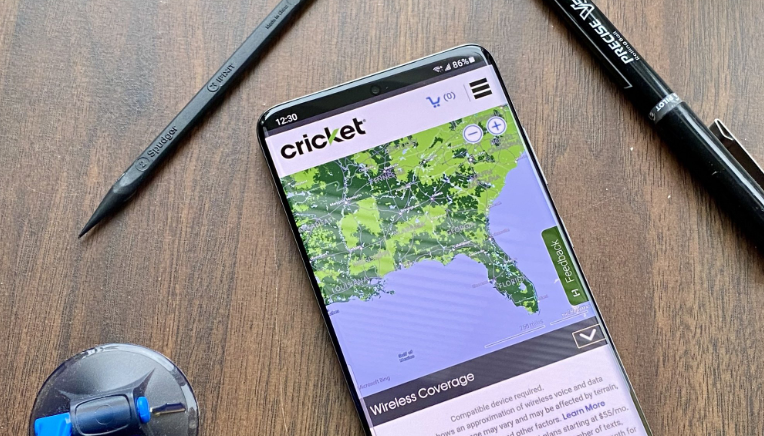
A budget Android phone can be suitable for following live cricket, provided the page remains readable and responds reliably. Price alone cannot settle that question. A modest handset displaying scores may cope better than a newer device juggling video, several tabs, and a crowded interface. Before replacing a phone, look at the task that causes trouble. Tiny labels, delayed updates, and a page that reloads after a message are different problems. They deserve different checks.
What a Busy Cricket Screen Asks Your Phone to Do
A live page can update figures, redraw rows, load graphics, and respond to taps while the match continues. The same usability checks apply when accessing desi cricket live betting app on a smaller handset: readable numbers and dependable controls matter throughout the visit. Opening a page successfully is only the first part of using it comfortably.
Text updates and video ask different things of a device. A scorecard carries far less visual material than a moving picture, although the scripts behind a crowded page can still demand processing time. Adding an unrelated video in another tab gives the phone another job.
Test the format actually being used. A Slot Desi session opened in a browser should be assessed with that browser’s current settings. Installed software has its own behavior when notifications arrive or the screen locks. Results from one format should not be treated as proof of how another will perform. Keep the comparison tied to the same device and task.
Small Screens Reveal Layout Problems First
A phone can respond promptly and still be unpleasant to use. If the team name is cut off or two adjacent controls are difficult to distinguish, extra processing power will not fix their placement. Screen space is part of the problem.
Start with the current score and event name. Both should be readable without repeatedly pinching the page. Then check whether the selected tab remains obvious after an update. A menu that covers the figures needed for the next action creates unnecessary backtracking.
Rotating the device may expose more columns, but it also changes the available vertical space. Try both orientations before choosing one. Larger text can help with labels, although a poorly designed page may become more cramped when enlarged.
Pay attention to movement. A late-loading banner or expanding panel can push a button away from the finger. That is a layout issue, even if the phone itself feels fast.
Is the Phone Slow, or Is the Connection Struggling?
A delayed score does not prove the handset is underpowered. The update may be late at the source, the connection may have stalled, or the page may have stopped refreshing. Check what still works before changing settings.
If scrolling and menus respond immediately while new figures fail to arrive, investigate the connection or service. If the keyboard, browser controls, and unrelated apps also hesitate, the device deserves closer attention. These are clues, not a diagnosis.
Compare the page over a trusted Wi-Fi connection and mobile data when both are available. Keep the device and page unchanged during that comparison. Changing several things together makes the result harder to interpret.
Storage is another check. Google’s Android guidance notes that phones can develop problems when storage is nearly full. Available storage and working memory are different resources; deleting downloads creates storage space but does not add RAM.
Five Checks Before Replacing the Phone
A short inspection can show whether the handset needs replacing or the current setup needs adjusting:
- Update the browser through its usual app store. Retest the same page afterward so the comparison stays useful.
- Close video that is playing elsewhere. This removes a separate demand on the connection and device.
- Reduce unnecessary open tabs. Then check whether moving away from the cricket page still causes it to reload.
- Review available storage in Android settings. Remove unneeded downloads or backed-up files rather than clearing unfamiliar data at random.
- Lock and unlock the phone, then briefly switch to another app. Observe whether the selected match and page position survive the return.
Perform these checks before the match becomes tense. A missing selection after switching apps is worth discovering early. Record the behavior in ordinary terms: which page reopened, whether the figures refreshed, and how many taps were needed to return.
Judge the Phone by One Complete Match Session
A homepage loading quickly says little about an evening of use. Follow one match through the tasks that matter: opening the event, reading updates, checking another app, and returning. No invented benchmark score is needed.
Notice whether the problems repeat. A single interrupted connection is different from every return forcing a complete restart. Repeatedly missing taps because the controls are too close together points toward the interface, while hesitation across the whole phone suggests a wider device issue.
For Slot Desi or another live-cricket destination, the purchase decision should follow those observations. Keep the handset if figures remain readable, controls respond, and returning to the event is straightforward. Consider another device when these tasks remain difficult after reasonable checks. Buy for the limitation actually encountered, whether that is screen space, device performance, or battery endurance.