Gold can be purchased in different forms, including jewellery, coins, bars and financial products linked to precious metals. Each option serves a different purpose and comes with its own costs, considerations and risks. Before making a purchase, it is important to understand what is being bought and how its value may change over time.
A thoughtful approach begins with identifying the reason for buying gold. Someone purchasing jewellery may prioritise design and craftsmanship, while someone considering bullion may focus more closely on weight, purity, pricing and storage.
Understanding the Different Forms of Gold
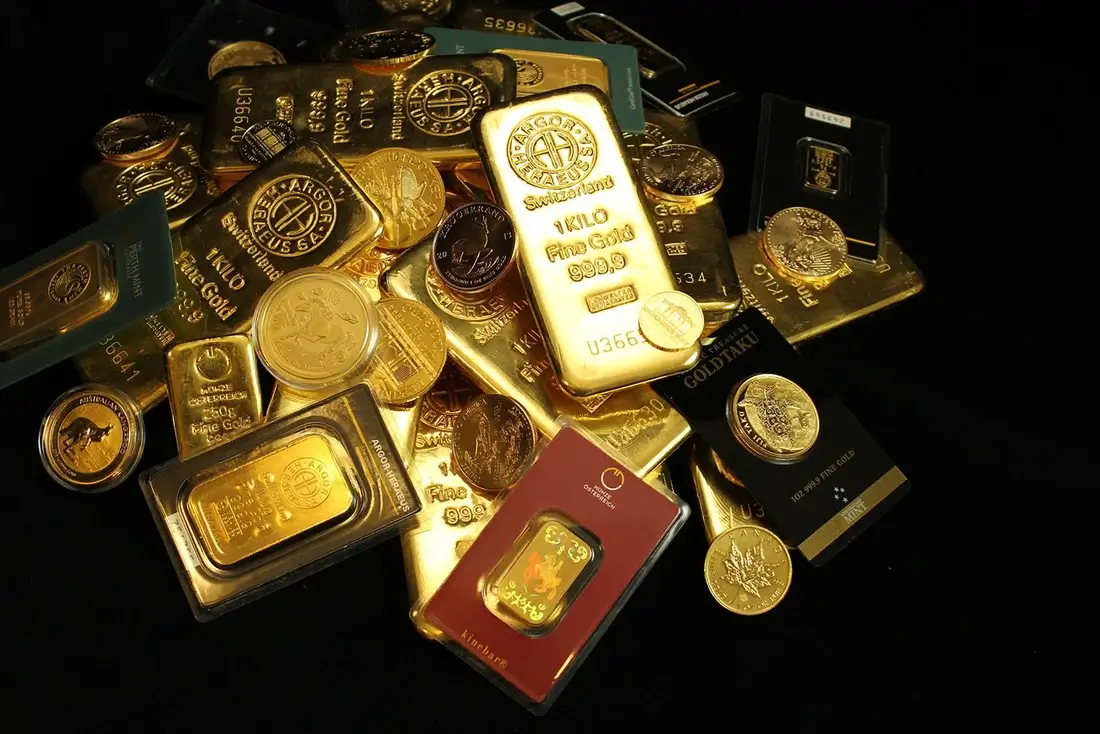
Physical gold is available in several formats. Jewellery combines precious metal with design and workmanship, while bullion products are generally valued more directly according to their gold content and market price.
Coins and bars may differ in weight, purity, manufacturing standards and premiums. Buyers should review the specifications of each product instead of assuming that all items with the same stated weight have identical value.
There are also financial products that provide exposure to gold prices without requiring the owner to store physical metal. These products have their own structures, fees and risks, so their terms should be read carefully.
Researching the Market Before Buying
Gold prices fluctuate throughout the day as international markets respond to economic data, currency movements and investor activity. Checking a reliable market reference can help buyers understand the broader pricing environment.
People researching how to buy gold hong kong should distinguish between the international reference price and the final local purchase price. The retail amount may include premiums, dealer charges, delivery costs or other applicable fees.
Comparing quotations from reputable providers can help identify differences in pricing and service. However, the lowest displayed price should not be the only consideration. Product authenticity, documentation, payment security and transparent terms are also important.
Checking Purity, Weight and Authenticity
For physical gold, purity is an essential detail. It is commonly expressed in karats or as a fineness figure. For example, 24-karat gold is generally associated with very high purity, while lower-karat jewellery contains a greater proportion of other metals.
Weight should be clearly stated, and buyers should understand the measurement being used. Precious metals are often priced internationally by the troy ounce, while retail products may be described in grams.
Before completing a purchase, review product documentation and any available authenticity information. Choose established sellers that provide clear specifications, receipts and suitable customer support.
Understanding Premiums and Other Costs
The market value of gold is not necessarily the amount a buyer pays. Physical products may include a premium above the underlying metal value. This can reflect manufacturing, packaging, distribution and dealer costs.
The difference between buying and selling prices is also important. A buyer may pay more to acquire a product than they could receive by selling it immediately. This difference can affect the financial outcome, especially over shorter holding periods.
Ask for a breakdown of the total cost before making a decision. Understand whether delivery, storage, insurance or transaction fees apply.
Considering Storage and Security
Physical gold requires secure storage. Some owners choose a suitable home storage arrangement, while others consider professional storage services. Each option has different costs and security considerations.
If using a storage provider, review the terms carefully. Understand how the metal is held, whether it is individually allocated, what insurance applies and how access or withdrawal works.
For home storage, consider physical security, insurance coverage and the risks of loss or theft. Storage arrangements should be proportionate to the value of the items held.
Making Decisions Without Rushing
Gold prices can attract attention during periods of economic uncertainty, but short-term market movements are difficult to predict. Buying solely because prices have risen or fallen recently can lead to decisions based on emotion rather than a clear plan.
Consider your financial goals, available funds and tolerance for price fluctuations. Gold should not automatically replace emergency savings or other financial priorities. Diversification may be useful, but the appropriate balance depends on individual circumstances.
Frequently Asked Questions
1. What is the difference between jewellery gold and bullion?
Jewellery includes design and workmanship costs, while bullion is generally valued more directly according to its weight and purity. Their resale values and pricing structures can therefore differ.
2. What should I check before buying physical gold?
Review purity, weight, product specifications, authenticity documentation, seller reputation, premiums and the full transaction cost. Also consider how the gold will be stored.
3. Is gold a risk-free investment?
No. Gold prices fluctuate, and buyers may receive less than their purchase cost when selling. Storage, insurance and transaction expenses can also affect returns.
Conclusion
Buying gold requires more than checking a market quotation. Understanding product type, purity, weight, premiums, seller reliability and storage arrangements can help buyers make informed choices. Taking time to compare options and consider personal financial objectives is more useful than reacting to short-term market movements.