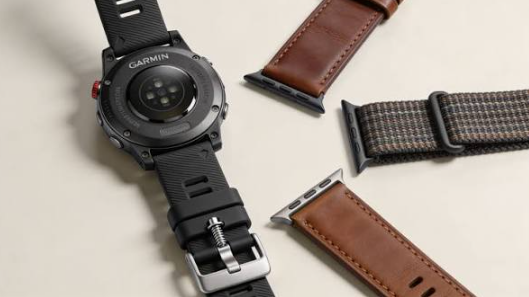
A Garmin watch is built to be worn outdoors, on trails, in the gym, and in all kinds of weather. That is exactly why its strap takes such a beating. Sun, sweat, mud, salt water, and the constant flexing of a wrist in motion all wear a strap down over time. Sooner or later, every regular user faces the same question: how do you know when it is time for a fresh strap, and how do you choose the right one? At that point, finding a suitable garmin watch band replacement becomes the practical next step.
The good news is that swapping a strap is one of the simplest pieces of upkeep you can do for your watch. It needs no special tools in most cases, takes only a few minutes, and can make a watch that feels tired and uncomfortable feel new again.
Signs Your Current Strap Needs Changing
The clearest sign is visible damage. Look for frayed edges on a fabric strap, cracks or tears in silicone, stitching that has come loose, or holes that have stretched out of shape. A strap that has stretched will no longer hold the watch snugly, and the watch may slide around during a run or a swim.
Smell is another sign people often ignore. A strap that has absorbed sweat and never fully dried can develop a lingering odour that washing no longer removes. The same applies to discolouration that will not wash out, or a surface that has gone rough and irritates the skin. Check the small pins or quick-release bars that hold the strap to the watch case as well. If they feel loose or bent, they may need attention too.
See also: Exploring Personal Care and Lifestyle Shopping in a Busy City
Matching the Strap to Your Watch
Garmin makes watches in several sizes, and straps are not one-size-fits-all. Before ordering anything, check the lug width or the model name for your watch, usually found in the settings menu or on the maker’s official site. A strap that is a millimetre too wide will not fit into the lugs, while one that is too narrow will sit loosely and may work itself free.
Quick-release straps are the easiest to fit. They have small spring bars with a tiny lever that you pull back with a fingertip, so the strap comes off and the new one clicks into place without tools. Some older or more rugged models use standard spring bars that need a small tool to remove.
When you are ready to choose, you can explore the available options and compare styles, lengths and materials for your model. Read the compatibility notes carefully, because a strap listed for one model family may not fit another, even when the watches look similar.
Choosing a Material for How You Train
The material you choose should reflect your routine. Silicone is the default for many Garmin users, and for good reason. It handles sweat and water well, rinses clean under a tap, and dries quickly. A good silicone strap feels flexible rather than stiff, and it should not leave marks on the wrist after a long session.
Woven fabric straps feel softer and breathe better, which many people prefer for all-day wear and for sleeping with the watch on. If you swim or train in heavy rain, take the watch off afterwards and let the strap dry fully before the next session. Leather stiffens and marks when it is repeatedly soaked, while metal adds weight and can feel cold in winter.
Fitting and Looking After the New Strap
Fitting a new strap is simple, but a few details make it easier. Work on a clean, flat surface so that a small pin cannot roll away. Line up one end of the spring bar with its hole, pull the lever back, and let the bar settle into place. Give the strap a gentle tug to confirm it is seated properly before you put the watch on. Repeat the same steps on the other side, and check that both ends sit evenly.
Fit the strap so that it is snug but not tight. You should be able to slide one fingertip under it. Looking after the new strap is straightforward: rinse it after sweaty or muddy sessions, wash it occasionally with mild soap, and let it air dry away from direct heat.
Frequently Asked Questions
1. How do I know which size strap fits my Garmin watch?
Check your watch model and its lug width on the maker’s official site or in the watch settings. Strap listings usually state which models they fit, so match that information before ordering.
2. Can I fit a new strap myself, or do I need a shop to do it?
Most people can do it themselves in a few minutes. Quick-release straps need no tools at all: pull the small lever, remove the old strap, and click the new one into place. Standard spring-bar straps need a small tool, but the steps are simple and the maker provides guides for each model.
3. How often should I change my watch strap?
It depends on how much you train and in what conditions. A strap worn daily for running, swimming and outdoor work may need changing after a year or so, while one worn mainly at a desk can last much longer.
Conclusion
A worn strap is not a reason to stop wearing a watch you rely on. It is a normal part of owning a device that goes everywhere with you, and it is one of the easiest things to fix. Look for the early signs of wear, match the new strap to your exact watch model, and choose a material that suits your training and your daily life. With those simple steps, a fresh strap will make your watch feel comfortable and secure again.